
Selling a Fire- or Water-Damaged House in Boise, ID: Foothills Fire Rules, Gulch Floods, Permits and the Idaho Disclosure Form
Kitchen fire, foothills smoke, a January burst pipe or gulch flooding in Boise? How Boise's wildfire construction overlay, tear-out permits, the floodplain review, Idaho's seller disclosure form, contractor liens and your insurance claim affect an as-is sale. Call (405) 622-8705.
Short answer: A burned or flooded Boise house can be sold exactly as it sits, with no tear-out, permits or rebuild first. Idaho still expects you to fill out the seller disclosure form with what you know, and in the foothills a rebuild can come with wildfire construction rules that change what the lot is worth to someone who’d fix it. Get the insurance claim, the disclosure and any contractor liens lined up, then compare a repaired-and-listed number with an as-is offer.
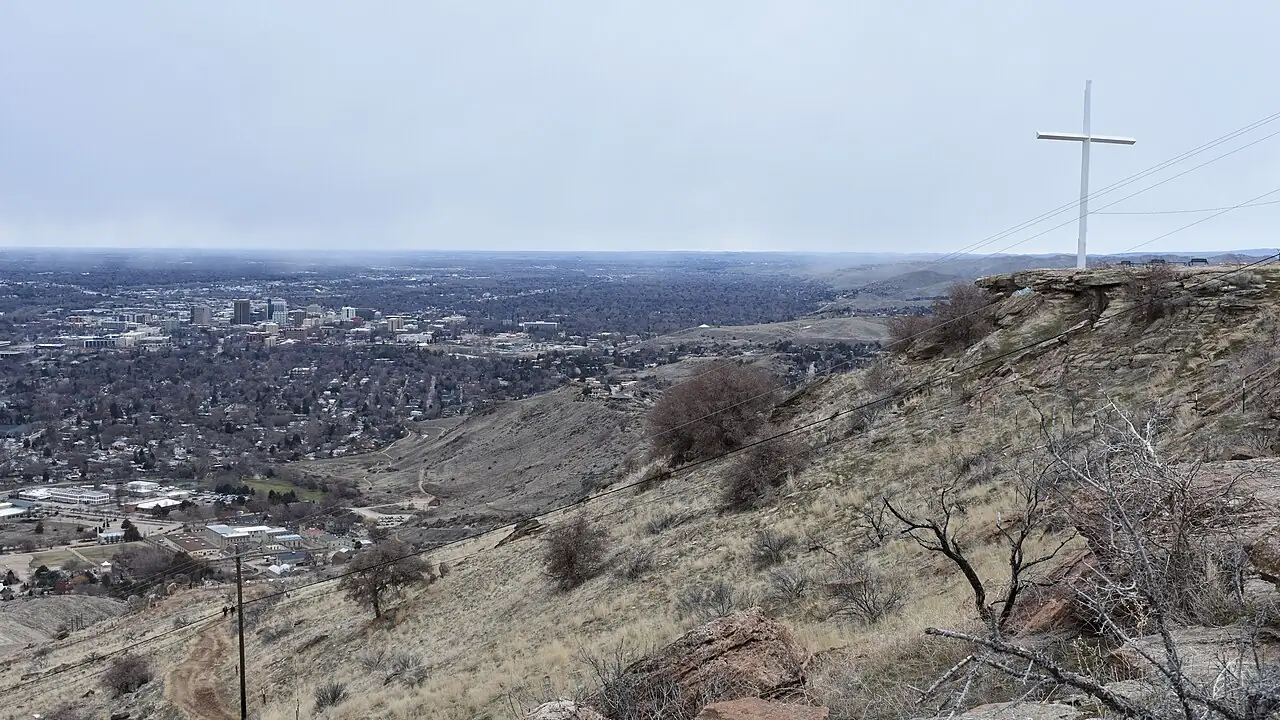
Which kind of Boise damage do you actually have?
Usually one of three, and each brings different rules. Boise sits between a big river and dry foothills, with winters cold enough that the city sets frost depth for foundations at 24 inches.
- Water from inside. A pipe that froze in a cold snap, a failed water heater, or a slow leak soaking a basement or crawlspace. That’s a homeowners claim plus Boise’s building and plumbing permits.
- Fire, inside or out. A kitchen or heating fire, or ember and smoke damage near the foothills. A foothills lot adds the city’s wildfire construction overlay to any rebuild.
- Water from outside. Boise River high water or a flash flood down a foothills gulch. That’s a flood, which standard homeowners policies generally don’t cover, and it brings in the floodplain review.
Many houses have two. A kitchen fire ends with fire hoses, so a fire claim often becomes a drying claim too. Knowing which one you have tells you which coverage and which city office you’ll deal with.
Why do fire and flood go together in the Boise foothills?
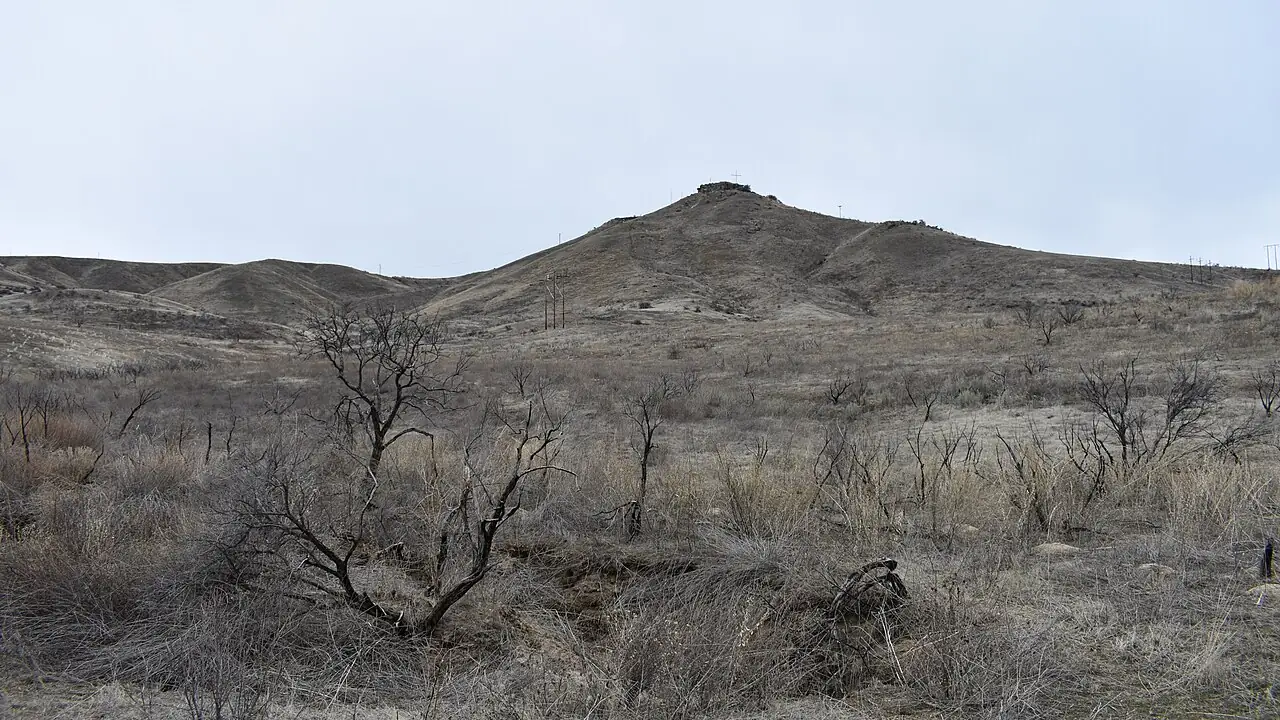
Because once fire strips the brush off a slope, the next hard thunderstorm can send water and mud down the gulches into town. Boise has seen it. A 2010 City of Boise floodplain letter to residents describes it plainly: in 1960, after a fire in the eastern foothills removed the vegetation, a summer thunderstorm caused flash flooding and mudflows that reached streets and houses in the North and East Ends. In 1997, thunderstorms again caused localized flooding in the North End from gulches burned bare by the 1996 foothills fire.
On the river side, the letter puts flood stage at 7,000 cubic feet per second at the Glenwood Bridge gauge, and says the 1983 runoff pushed flows in town to about 9,500 cfs, flooding low areas including Park Center Boulevard. It also notes flood insurance has a 30-day waiting period, so a policy bought once a fire is already burning above town may start too late.
If your house is on the North End or East End streets below the gulches, or in a low spot near the river, check the City of Boise floodplain page and the FEMA Flood Map Service Center before you price repairs. Boise requires a floodplain application for all construction and development in the mapped floodplain, so a big repair there gets a second review a buyer will also care about.
Will rebuilding a burned foothills house trigger Boise’s wildfire rules?
It can. The city’s Wildland Urban Interface Overlay applies to all new structures and additions built in the overlay, and to renovations that increase a building’s gross floor area by more than 49 percent. Interior-only renovations are exempt unless they come with exterior changes past that 49 percent mark.
Inside the overlay, two zones matter:
- IR1 (Class 1 ignition-resistant construction) generally covers the foothills fire hazard areas. As the city annexes land, IR1 automatically extends to annexed lands generally north and west of Hill Road.
- IR2 (Class 2) generally covers valley, desert and other fire hazard areas that aren’t on sloped terrain.
The standards reach roofs, siding, eaves, vents, decks, underfloor areas, fencing and defensible-space vegetation. WUI codes are among the steps the Boise Fire Department lists since the fatal Oregon Trail fire in 2008.
For a seller, this means a near-total loss in the overlay may be rebuilt to ignition-resistant standards, not simply put back as it was. That’s a better house, but a bigger rebuild budget, and an investor pricing your lot will count it. The Fire Code Official decides which lots fall in which zone, so get that answer in writing before you compare offers.
Do you need a Boise permit to tear out wet drywall before you sell?
Often you do. The City of Boise’s homeowner’s guide to residential construction says interior work like painting, floor coverings, cabinets, countertops and wall coverings is exempt, but a permit is required when a project removes wall coverings to expose the framing. That’s exactly what water mitigation does when crews cut drywall to dry the studs.
The guide also requires permits for repairing or replacing piping or a water heater, repairing any hard-wired electrical system (common after a fire), changing heating and cooling equipment or ductwork, and re-roofing. Homeowners may do work on their own primary residence without registering as a contractor, but that exception doesn’t cover a rental or a parent’s house, and licensed trades are needed for anyone else’s work.
This is where an as-is sale saves the most time. A buyer who takes the house with the walls open takes on the permits and inspections. You only have to be honest about what was done and what wasn’t.
What does the Idaho disclosure form make you say about the damage?
It asks directly about the systems that fire and water damage, so you’ll be describing the damage either way. Idaho Code 55-2504 requires the form for sales of houses with one to four units, including rentals. The form itself, in Idaho Code 55-2508, asks you to list problems with:
- basement water, foundation, and roof condition and age
- plumbing, drainage, electrical and heating
- hazardous materials or pest infestations, which is where known mold or smoke residue concerns usually get raised
- substantial additions or alterations made without a building permit, which is where unpermitted tear-out and repairs show up
- “any other problems” you know about
Selling as-is doesn’t change the form; a cash investor gets the same one a financed buyer does. Under Idaho Code 55-2509 you have to deliver the signed form within 10 days of accepting an offer. If the buyer gets it after the contract is signed, Idaho Code 55-2515 gives them three business days to rescind in writing based on a specific objection to what you disclosed.
Idaho Code 55-2505 exempts some sales, including those by a personal representative or trustee, and by an heir who hasn’t lived in the house within the past year. If the damaged house came through an estate, ask the estate’s attorney. Skipping the form is still not the same as hiding a known problem.
How should the insurance claim fit around a sale?
Settle what you can before you close, and don’t let a sale contract get ahead of the claim. The Idaho Department of Insurance’s home and renters claims guidance gives the order: photograph the damage before mitigation if you can, keep damaged items until the adjuster says otherwise, mitigate so it doesn’t spread (policies often require that), keep every receipt, and list losses in detail.
When you’d rather sell than rebuild:
- Who’s on the check. With a mortgage, the lender is usually named on the structure payment. Ask your servicer how a payoff at closing affects releasing the rest.
- The open claim at sale. Whether it stays with you or can be assigned to a buyer depends on your policy. Get it in writing and in the contract.
- A slow payment. Idaho Code 41-1839 lets a court award attorney’s fees when an insurer fails to pay the amount justly due within 30 days after proof of loss is furnished and the owner has to sue or arbitrate. That’s leverage in a dispute, and it’s a conversation for a lawyer, not a reason to sell in a hurry.
Can the restoration company put a lien on the house?
Yes, if it isn’t paid, and the lien will show up when the title company searches the house for a sale. Under Idaho Code 45-507, a contractor or supplier has to file its claim with the Ada County Recorder within 90 days after it finished the work and serve you a copy within five business days of filing. Under Idaho Code 45-510, the lien no longer binds the house after six months unless the contractor files suit within that time.
A lien doesn’t stop a sale. The title company pays it from your proceeds, or the parties agree how to handle a disputed amount. Mention any open restoration invoice early so it doesn’t surprise anyone at closing.
One more Idaho signing rule: under Idaho Code 32-912, both spouses must sign to sell community real estate.
What do the numbers say about damage and the Boise market?
Fire is common, and Boise’s market moves fast enough that a damaged house stands out.
- Residential fires nationally. The U.S. Fire Administration’s 2023 estimates show 344,600 residential building fires and about $11.27 billion in losses that year. Heating fires alone accounted for an estimated 27,900 of them, which matters in a city where furnaces, wood stoves and space heaters work hard all winter.
- Idaho fire casualties. USFA’s Idaho page reports 5.3 deaths and 21.9 injuries per 1,000 residential structure fires in Idaho in 2023, against a national average of 5.8 deaths and 19.7 injuries.
- Boise prices and speed. Redfin’s Boise housing market page reported a median sale price of $540,742 for September 2026, up 2.4% from a year earlier. Homes sold in a median of 15 days, compared with 21 a year before, and 901 homes sold that month, up from 858.
That 15-day median is driven by houses buyers can finance and move into. A burned kitchen or open walls won’t sell on that clock; it gets repaired first or goes to a buyer who repairs it. The real question is whether you want to carry the house through the repairs.
Repair and list, list as-is, or sell for cash?
Use your own numbers, not rules of thumb.
- Repair, then list. After-repair price, minus uncovered repair costs, commissions, closing costs and months of carrying costs. Usually the best net when damage is contained, the claim is paid and you have a contractor you trust.
- List as-is. No repairs, but many financed buyers can’t close on an unlivable house, so the pool shrinks to cash and renovation-loan buyers.
- Sell as-is for cash. Lowest headline price, but no repairs, permits, showings or commissions, and your closing date. Fits best when damage is extensive, the claim won’t cover the rebuild, the overlay or floodplain makes rebuild rules uncertain, or you’ve moved away.
Ask any cash buyer, including us, to show how they got from repaired value to their offer.
From our deals
Damaged houses rarely come with one clean problem. A line splits in a vacant house, nobody notices for a while, and by the time the owner flies in, the flooring is ruined and there’s a mitigation invoice nobody has agreed to pay. Fire calls look similar: the fire stayed in the kitchen, but smoke and water reached every room. The owners who come out best got the adjuster out before cleanup, kept receipts, and learned early whether the lot sat in a floodplain or the foothills overlay. When the claim money really does cover a good rebuild and the owner wants to stay in Boise, we say so, and we don’t make an offer just to have one on the table.
When shouldn’t you sell a damaged Boise house for cash?
- The claim covers the repair and you want to keep the house. Replacement-cost coverage that pays for a full repair often beats any as-is offer in a market where the median home sold in 15 days.
- The damage is cosmetic. Smoke-stained paint or a dried, patched wall is something a normal buyer will often accept, priced in.
- The claim isn’t settled and the contract would cut it off. Don’t sign anything that gives away your claim rights until you understand what you’d be giving up.
- The house is still in a late owner’s name. Nobody can sign a deed until the estate gives someone that authority. Start with our inherited house guide.
What happens when you ask HomeCashOffer about a damaged Boise house?
Send the address, a few photos, the date of the fire or leak, and where the claim stands. You’ll get a written as-is cash number, with no tear-out, permits, cleanout, showings or commissions. A title company closes, pays the mortgage and any recorded liens from the proceeds, and you pick the date. Call (405) 622-8705 or request your cash offer.
For the wider Treasure Valley picture, including how a freeze-season sale lines up with a job move, see our Boise cash buyer hub and the Boise, ID city page. We also buy in Meridian and Nampa.
HomeCashOffer buys houses nationwide from its office at 3000 W Memorial Rd, Ste 123 Unit 308, Oklahoma City, OK 73120.
Related reading: Selling a water- or fire-damaged house in Austin · Fire and flood damage in Charlotte · Fire-damaged houses in New Orleans · Selling a Tucson house as-is · Selling as-is vs. fixing up · Cash offer vs. listing with an agent
Sell your house fast in these markets
Local cash offer pages—or start with a nationwide request.
Frequently asked questions
Do I have to put a burst pipe or old fire on the Idaho seller disclosure form?
If you know about it, yes. The form in Idaho Code 55-2508 asks you to list problems with basement water, the roof, plumbing, drainage, electrical and heating, and ends with a catch-all for any other physical problem you know about. A burst pipe that soaked a basement, or a fire that damaged wiring or framing, belongs on the form even if it was repaired. Describe what happened and what was fixed. The form is a statement of what you know, not a warranty.
If my Boise house burned, will a rebuild have to meet the city's wildfire construction rules?
It can. Boise's Wildland Urban Interface Overlay applies to all new structures and additions built in the overlay, and to renovations that increase a building's gross floor area by more than 49 percent. Foothills areas generally require Class 1 ignition-resistant construction, and valley and desert areas generally require Class 2. The Fire Code Official decides which lots fall in which zone, so ask before you price a rebuild.
Do I need a Boise permit to tear out wet drywall after a leak?
Often, yes. The City of Boise says painting, flooring, cabinets, countertops and wall coverings are exempt, but a permit is required when a project removes wall coverings to expose the framing. Repairing or replacing piping needs a plumbing permit, and re-roofing needs a building permit. A buyer who takes the house as-is takes on that work, so you don't have to pull permits just to sell.
Can a buyer back out after reading my Idaho disclosure?
Sometimes. Under Idaho Code 55-2509 you have to deliver the signed form within 10 days of accepting an offer. If the buyer gets the form or an amendment after signing the contract, Idaho Code 55-2515 lets the buyer rescind in writing within three business days, but only based on a specific objection to something you disclosed. Deposits are then returned. Getting the form to the buyer before the contract is signed avoids that window.
How long does a restoration contractor have to put a lien on my Boise house?
Under Idaho Code 45-507, a contractor has to file the lien claim with the county recorder within 90 days after finishing the work and serve you a copy within five business days of filing. Under 45-510, the lien expires after six months unless the contractor files suit in that time. A title search for the sale will show any lien that's been recorded against the house.
My insurance company hasn't paid my Boise fire claim. Does Idaho law help?
Idaho Code 41-1839 says that if an insurer fails to pay what's justly due within 30 days after proof of loss is furnished as the policy requires, and you have to sue or go to arbitration, the court can award you reasonable attorney's fees. The Idaho Department of Insurance also takes calls from homeowners having trouble with a claim. Talk with an attorney before you treat a slow claim as a reason to sell.
Does my spouse have to sign to sell our damaged house in Idaho?
If it's community property, yes. Idaho Code 32-912 says neither spouse can sell, convey or encumber community real estate unless the other joins in signing the sale agreement and deed, unless one spouse has given the other an express power of attorney to do it.
Ready to see what a cash offer looks like?
No repairs required. No agent commissions when you sell to us. No obligation to accept.
Request your no-obligation cash offer
Prefer a dedicated form? Visit Get a Cash Offer Today.
Get My Cash Offer
Share your name, phone, and property address. No obligation. We will follow up shortly.