
Cash Offer vs Listing With an Agent: Net Proceeds Compared (2026)
Cash offer vs listing with an agent: compare net proceeds, days on market, fees, repairs and fall-through risk with 2026 NAR data. Call (405) 622-8705.
Short answer: In a cash offer vs. listing with an agent, the listing usually wins on sale price and the cash offer usually wins on speed, certainty and effort. Which one leaves you with more money depends on your house. If it needs little work and you can wait through showings, a median of about a month on the market and a financed buyer’s closing, list it. If it needs repairs, sits empty, or you need a firm date, get a written cash offer and compare the net amount you’d keep from each, not the headline numbers.
Choosing between a direct cash offer and listing with a real estate agent depends on whether you optimize for maximum retail price—or for speed, certainty, and less work. Both can be legitimate. This guide compares timeline, fees, risk, and net proceeds in plain language.
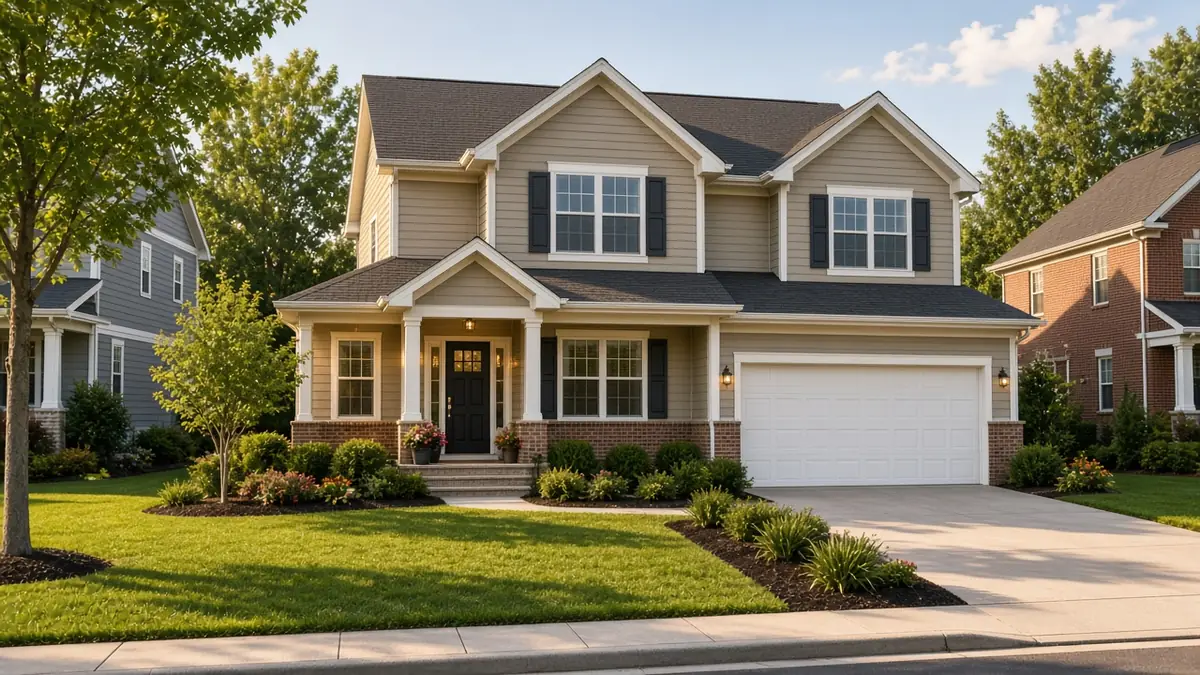
Quick definitions
Cash offer (direct buyer): A company or investor agrees to buy your house, typically as-is, with cash (not a traditional mortgage contingency). You negotiate terms directly with the buyer. HomeCashOffer is a cash home buyer that purchases houses nationwide this way.
Agent listing (retail sale): You hire a licensed agent to market the home to the public. A third-party buyer (often using financing) makes an offer. You may prepare the home, host showings, negotiate inspections, and wait through appraisal and loan approval.
Neither definition implies a scam or a guaranteed “best” outcome. Process quality and fit for your situation matter more than labels.
Cash offer vs. listing: comparison table
| Factor | Direct cash offer | List with an agent |
|---|---|---|
| Buyer | Cash buyer purchases directly | Third-party buyer found via marketing |
| Prep & repairs | Usually sell as-is | Often expected to maximize appeal |
| Showings | Typically limited property access | Multiple showings / open houses |
| Marketing time | Days to evaluate and offer | Weeks to months on market is common |
| Commissions | No agent commissions when you sell to us | Seller often pays a percentage of sale price |
| Financing risk | No buyer loan contingency | Deals can fail on financing or appraisal |
| Closing speed | Can close in as little as ~7 days when title allows | Often 30–45+ days after accepting an offer |
| Price | Usually below repaired retail comps | Potentially higher top-line sale price |
| Best when | Speed, simplicity, tough condition, life urgency | Time available; home retail-ready; max price priority |
What does the 2026 market mean for cash vs. listing?
The numbers you plug into a net sheet should come from the market you’re actually selling in. Nationally, the National Association of Realtors reported that in September 2026:
- Homes that sold had been on the market a median of 33 days, up from 31 in August. A financed sale still has to close after that.
- Unsold inventory equaled a 4.8-month supply, up from 4.5 months a year earlier, and NAR’s chief economist said sellers may need price discounts and other incentives to attract buyers.
- 27% of existing-home sales were all-cash.
- The average 30-year fixed mortgage rate was 6.86% (Freddie Mac, as cited by NAR), up from 6.67% in August, which means fewer buyers can qualify.
For a listing, more supply and longer market times mean more months of carrying costs and more room for buyers to ask for credits. For a cash sale, they mean a firm closing date is worth more than it was in a hot market. Neither number decides it for you. Your local days on market do, and our days-on-market data for 31 metros is a good place to start.
How did the 2024 NAR settlement change listing costs?
Short answer: Since August 17, 2024, offers to pay the buyer’s agent can’t be posted on the MLS, buyers working with an MLS agent must sign a written agreement before touring a home, and agent compensation has to be spelled out and is negotiable. Sellers can still choose to pay a buyer’s agent or offer a concession, so it belongs on your listing net sheet.
These changes came from the practice changes NAR adopted in its settlement (NAR: written buyer agreements). For a seller comparing paths, the practical effect is that “commission” is now two questions: what you’ll pay your own listing agent, and whether you’ll offer anything toward the buyer’s agent or the buyer’s costs. Ask your agent for a net sheet that answers both. When you sell directly to HomeCashOffer there’s no agent on either side, so neither question applies, though you should still confirm who pays which closing costs in writing.
Pros of a direct cash offer
- Speed and schedule control. Choose a closing date that matches your move, probate timeline, or financial pressure.
- Less prep. Skip renovations and open houses when you sell as-is.
- Fewer fall-throughs tied to loans. Cash removes the buyer’s mortgage contingency.
- Simpler fee picture. No listing commissions when you sell directly to HomeCashOffer (confirm closing costs in writing).
- Works in many conditions. Inherited, vacant, tenant-occupied, or repair-heavy homes are commonly evaluated.
- Useful decision baseline. Even if you list later, a written cash number helps you evaluate other options.
See also: Sell as-is vs. fixing up and How to sell your house fast for cash.
Pros of listing with an agent
- Retail price potential. A well-presented home in a strong market can attract competing buyers.
- Professional marketing. Photos, MLS exposure, and negotiation support.
- Buyer pool size. More shoppers can mean more options—if the home is competitive.
- Guidance through paperwork. Agents coordinate much of the retail process (you still make the decisions).
- Strategic pricing and staging advice. Useful when the house is already close to retail-ready.
What are the risks of a cash offer versus listing?
Cash offer drawbacks
- Offer may be lower than a successful retail sale of a repaired home
- You should still verify the buyer’s ability to close and read the contract carefully
- Not every property or location is a fit—ask early rather than assuming
- Pressure tactics from any buyer are a red flag; a good process gives you time
Listing drawbacks
- Time on market is uncertain
- Repairs, staging, and showings cost money and energy
- Commissions and concessions reduce net
- Financed buyers can walk after inspection or appraisal
- Carrying costs continue until closing (or until you take the home off the market)
- Multiple offer hopes can evaporate in cooler demand or if condition issues surface late
Which option leaves you with more money after costs?
People often compare a cash offer to an agent’s suggested list price and stop there. That is incomplete. Compare estimated net:
Cash path: offer − confirmed seller costs − payoffs
Listing path: expected sale price − repairs/staging − commissions − concessions/closing costs − carrying costs during prep and marketing − payoffs
Add a realism check: what happens if the listing takes two extra months, or the first financed buyer falls through? Those scenarios are not rare. Build a conservative case, not only a best-case flyer.
How do you decide between a cash offer and listing with an agent?
Ask yourself:
- Timeline: Do I need to close in days or weeks, or can I wait months? (For how long listings actually take in your area, see days on market in 31 metros.)
- Condition: Would repairs cost more than I can (or want to) spend?
- Bandwidth: Can I manage contractors, showings, and negotiations right now?
- Net math: After fees, repairs, and carrying costs, which path leaves more in my pocket?
- Certainty: How costly is a delayed or failed deal for my situation?
- People factors: Are co-owners, heirs, or a divorce timeline making a long listing harder?
If most answers favor speed and simplicity, request a cash offer and evaluate it carefully.
If most favor maximum retail and you have time, a listing may fit better—especially if the home already shows well.
If answers are mixed, gather both a cash offer and an agent CMA (with a net sheet) before deciding. Many thoughtful sellers do exactly that.
What a good cash offer process looks like
- Share property basics online or by phone — request an offer or call (405) 622-8705
- Allow a property review / visit so condition is priced accurately
- Receive a written cash offer with clear terms
- Ask how the number was figured (comps, condition, timeline)
- Confirm as-is expectations, contents, closing costs, and date flexibility
- Accept, negotiate, or decline — no obligation to sell just because you asked
Process details: How We Buy Houses.
What a good listing process looks like (for contrast)
- Interview agents; review recent comps and net sheets
- Agree on prep scope you can actually fund and finish
- Price for the market you have, not the market you wish for
- Plan for inspection and appraisal friction
- Track days on market and carrying costs against your walk-away plan
- Keep a cash alternative in mind if circumstances change
A listing is not “wrong”—it is a different risk and reward profile.
Red flags on either path
- Guaranteed top-dollar claims with no property review
- Pressure to sign immediately “or the offer disappears today”
- Unclear identity of the buyer or who is funding the purchase
- Verbal-only numbers that never appear in writing
- Surprise fee deductions that were never disclosed
HomeCashOffer’s approach is straightforward: clear written terms, as-is focus, and no obligation after you request an offer. If something feels off with any party you talk to, pause.

Checklist: decide with data, not slogans
- Write down your must-close-by date (if any)
- Estimate monthly carrying costs
- List major repair needs and rough costs
- Request a no-obligation cash offer
- Request an agent net sheet for a realistic list scenario
- Compare nets under best-case and delayed-case assumptions
- Factor stress, showings, and family logistics
- Choose deliberately and document the decision for co-owners if needed
Local markets
Whether you lean cash or listing, local context matters. Explore Dallas, TX, Miami, FL, or Edmond, OK, or start with a nationwide request at Get a Cash Offer Today.
Inspection, appraisal, and concession friction on listings
Retail buyers—especially those using loans—often renegotiate after inspection. Appraisal gaps can force price cuts or credits. None of that means listing is a bad idea; it means your “expected sale price” should include a contingency for friction.
Cash as-is purchases typically front-load condition into the offer. You may still allow a walkthrough, but you are not usually living through a financed buyer’s repair addendum cycle. If inspection drama is something you want to avoid—emotionally or logistically—that preference belongs in your decision framework alongside dollars.
Certainty has a value even when it is hard to quantify
Not every cost shows up on a spreadsheet: missed workdays for showings, stress during a divorce, travel for out-of-town owners, or the mental load of an empty house. If certainty lets you move on with life, that is a legitimate part of “results,” not a soft excuse. HomeCashOffer’s role is to make the cash side of the comparison concrete so you can weigh it fairly.
Using both options as a negotiating compass
Some sellers use a cash offer to decide how aggressive to be on list price and repair scope. Others use an agent CMA to decide whether a cash number is close enough given their timeline. Either sequence works. What fails is deciding from slogans alone—“cash is a rip-off” or “listing always nets more”—without running the net math for this property.
Bottom line
A cash offer trades some top-line price for speed, as-is convenience, and fewer loan contingencies. An agent listing can pursue higher retail price if you can invest time and preparation. Neither is a scam by default—and neither is always best. Compare net proceeds and lifestyle cost, then choose deliberately.
Ready for a no-obligation number from HomeCashOffer? Call (405) 622-8705 or get your cash offer.
Who usually chooses cash—and who usually lists
Cash is commonly chosen by homeowners facing time pressure, heavy repairs, inherited or vacant properties, tenant situations, divorce timelines, or simply a desire to avoid showings. The common thread is valuing certainty and simplicity.
Listing is commonly chosen by owners of retail-ready homes who can wait, who want maximum market exposure, and who are comfortable managing prep and negotiations. The common thread is optimizing for price when the house can compete.
Your situation may mix both. That is why gathering both numbers is often smarter than picking a camp on day one.
Timing math: days on market are not free
Imagine your monthly carrying cost is meaningful—mortgage, taxes, insurance, utilities, HOA. A listing that takes three months to go under contract, then 45 days to close, can burn a large chunk of the “extra” you hoped to earn versus cash.
Add the probability of:
- Price reductions after slow traffic
- Inspection credits
- Appraisal gaps with financed buyers
- A restart if the first deal collapses
Cash does not eliminate every risk, but it changes the risk profile: less marketing uncertainty, more emphasis on title clarity and contract terms you can read in advance.
Working with agents and cash buyers without conflict
You can interview agents and request a cash offer. Ethical professionals understand sellers compare options. What you should avoid is signing exclusive obligations you do not understand, or accepting verbal “guarantees” from anyone.
If you already have a listing agreement, read it before pursuing a direct sale—exclusive rights and cancellation terms matter. If you are free to explore, collect data first, commit second.
How do you check a specific cash buyer before comparing offers? (Updated October 2026)
Before you put a cash offer next to a listing estimate, make sure the cash buyer is real. Ask for proof of funds, whether they’re the end buyer or will assign the contract, what fees come out of the offer, how long the inspection period is, and which title company or closing attorney will handle the closing. Get the answers in writing. If you’re in a major metro, our city comparison pages list local cash buyers and iBuyers side by side with these questions: compare cash home buyers by city.
Soft next step
HomeCashOffer provides a clear, no-obligation cash offer so you can compare apples to apples. Call (405) 622-8705 or visit Get a Cash Offer Today. Use the number alongside an agent net sheet if you want the fullest picture.
Sell your house fast in these markets
Local cash offer pages—or start with a nationwide request.
Frequently asked questions
Cash offer vs listing with an agent: which nets more?
It depends on the house. A listing usually brings a higher sale price for a home that shows well, but you pay commission and concessions, often fund repairs, and carry the house while it's on the market (NAR's median was 33 days in September 2026, before closing). A cash offer is usually lower but skips most of those costs and the loan risk. Compare the net amount you'd keep from each, not the headline prices.
Do I still have to pay the buyer's agent if I list my house?
Not automatically. Under practice changes that took effect on August 17, 2024, after the NAR settlement, offers of buyer-agent compensation can't be posted on the MLS, buyers working with an MLS agent sign a written agreement before touring, and commissions are negotiable. A seller can still agree to pay a buyer's agent or offer a concession, so decide that with your listing agent and include it on your net sheet.
Is a cash offer always lower than listing with an agent?
Cash as-is offers are typically lower than a fully marketed retail sale of a repaired home, because the buyer takes on repairs, holding costs, and resale risk. After commissions, concessions, repairs, and time, the net gap is often smaller than the list-price difference suggests.
Do I pay agent commissions when I sell to a cash buyer?
When you sell directly to HomeCashOffer, you do not pay real estate agent commissions. Confirm closing-cost handling in your written offer so seller costs are clear before you accept.
Can a cash sale fall through like a financed offer?
Cash purchases remove buyer loan contingencies, which reduces a common cause of fall-throughs. Title issues, inspection disagreements, or either party walking away can still affect any contract—read terms carefully and verify the buyer’s ability to close.
When should I list with an agent instead of taking a cash offer?
Listing often fits when the home shows well, you can fund needed prep, you can wait on market, and maximizing retail price matters more than speed or certainty. If carrying costs or life urgency are high, cash may fit better.
How long does a cash sale take compared with a listing?
A direct cash sale can often close in about a week when title is clear, or on a later date you choose. A listing may take weeks or months to find a buyer, then commonly 30–45+ days to close after an offer is accepted—especially with financing.
Should I get a cash offer even if I plan to list?
Yes, many homeowners do. A no-obligation cash offer is a useful baseline for evaluating agent CMAs, repair bids, and how long you can afford to wait. You can still list afterward.
What questions should I ask a cash home buyer?
Ask how the offer was figured, what is included as-is, how closing costs are handled, when you can close, what happens to remaining contents, and whether the offer is written with clear contingencies. Walk away from pressure tactics.
Ready to see what a cash offer looks like?
No repairs required. No agent commissions when you sell to us. No obligation to accept.
Request your no-obligation cash offer
Prefer a dedicated form? Visit Get a Cash Offer Today.
Get My Cash Offer
Share your name, phone, and property address. No obligation. We will follow up shortly.