
Sell My House Fast in Grand Rapids: West Michigan Cash Buyer Hub
Sell your house fast for cash in Grand Rapids, Lansing, and Ann Arbor—as-is offers from HomeCashOffer beyond Detroit. Call (405) 622-8705.
If you need to sell my house fast in Grand Rapids, Lansing, or Ann Arbor, a direct as-is cash sale can reduce listing friction outside the core Detroit metro. HomeCashOffer evaluates your property, presents a written cash offer, and works toward a closing date you choose when title allows.
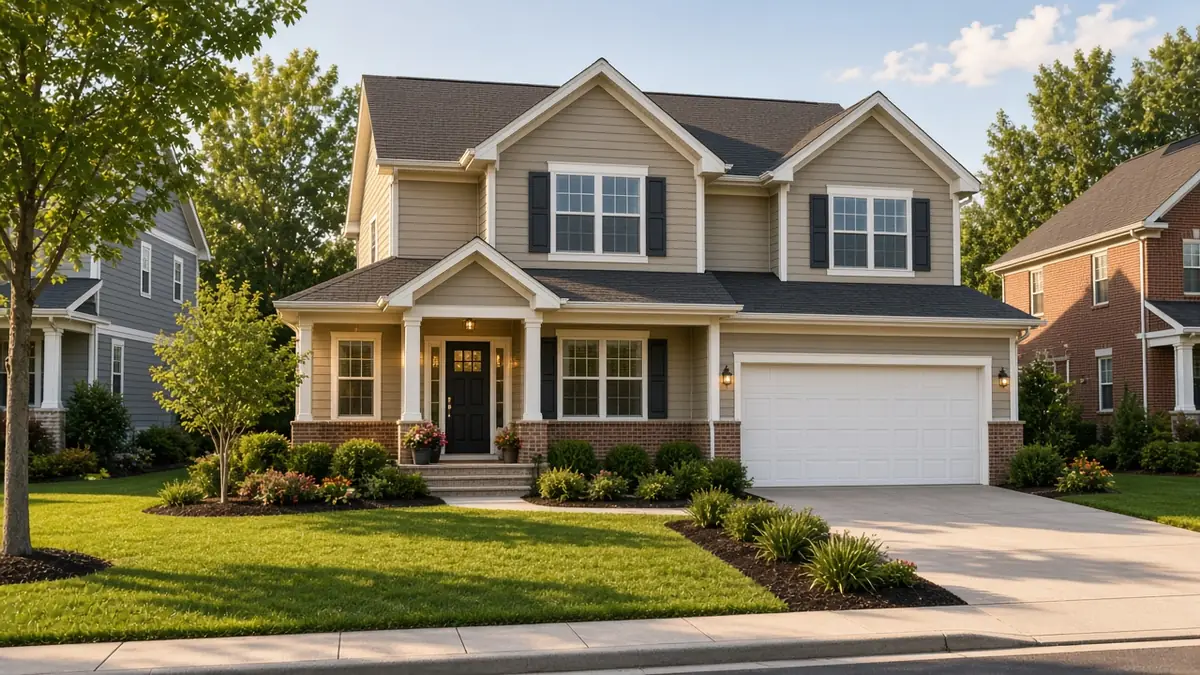
Use this hub to open the Michigan city page that matches your address. HomeCashOffer is a direct cash buyer—not a listing agent—so the conversation focuses on a clear as-is number and a closing window you can shape. Detroit-area coverage lives on a separate hub; this guide centers west and mid-Michigan.
Why do Grand Rapids homeowners sell to cash buyers?
Short answer: West Michigan sellers often pick cash when lake-effect winters, heating bills on empty houses, or older furniture-era housing stock make a long retail campaign feel like more work than a clear as-is number.
West and mid-Michigan homeowners often weigh cash when:
- Taxes, insurance, heating, and utilities keep climbing on a vacant house
- Inherited property needs a family decision more than a renovation project
- Winter weather, older systems, or deferred maintenance would stall retail showings
- Out-of-state ownership makes managing Michigan showings hard from afar
- A job move, divorce timeline, or university-related exit needs a firm closing window
- Multigenerational or estate situations require a simpler path than open houses through snow season
Cash trades some retail upside for speed and less work. That trade is rational when carrying costs and complexity are high. Always compare net proceeds.
How HomeCashOffer buys houses in west and mid-Michigan
- Tell us about the property via Get a Cash Offer Today or (405) 622-8705.
- Review a written offer that explains the main drivers.
- Pick a closing date—fast when title is ready, or later if you need time.
See How We Buy Houses.
Cash offers in Grand Rapids, Lansing, and Ann Arbor
West and mid-Michigan
- Sell my house fast in Grand Rapids, MI — Downtown, Eastown, West Side, Heritage Hill context
- Lansing, MI — Downtown Lansing, Eastside, Old Town, Westside context
- Ann Arbor, MI — Downtown, Kerrytown, near UM campus, West Side context
Neighborhood names are geographic context. Citywide evaluations are welcome.
Detroit metro note
For Detroit, Dearborn, Warren, and related southeast Michigan markets, see our Detroit hub and those city pages:
- Detroit, MI
- Dearborn, MI
- Warren, MI
- Sterling Heights, MI
- Livonia, MI
- Canton, MI
- Clinton Township, MI
Is a cash sale or a listing better in Grand Rapids?
Short answer: List when you can afford prep, lake-effect showings, and market time for a higher retail number. Choose cash when older stock, winter carrying costs, or a university/job exit matter more than maximizing list price. Compare net proceeds either way.
| Factor | Cash buyer | Traditional listing |
|---|---|---|
| Prep | As-is focus | Often repairs + staging |
| Showings | Limited | Ongoing (harder in winter) |
| Commissions | None when selling to us | Typical agent commissions |
| Risk | Cash purchase path | Financing contingencies |
| Timing | Your date (title permitting) | Market time + buyer timeline |
More: Cash offer vs. listing with an agent, Sell as-is vs. fixing up.
Can you sell a furniture-era or inherited west Michigan house for cash?
Short answer: Yes. Older Grand Rapids-area homes, inherited properties, and houses with freeze-related wear are common cash-sale situations. Condition affects the offer; renovations are not required to sell as-is to HomeCashOffer.
Vacant homes. Empty west Michigan houses still cost money every month—especially with heating and taxes. Stopping carrying costs can be as important as chasing a higher list price. Read Sell vacant or inherited house for cash.
Inherited property. Confirm authority early. Probate and title rules vary—this is general information, not legal advice. See also selling an inherited house.
Seasonal and deferred maintenance. Older furnaces, roof wear, unfinished projects, or freeze-related damage do not have to become a retail punch list. Pricing condition into one cash offer can be simpler than managing contractors before marketing.
University and capital-city timing. Ann Arbor and Lansing sellers sometimes face lease calendars, staff relocations, or estate timelines that do not match a slow retail marketing window. Cash can sync closing to your real calendar.
Practical checklist for west Michigan sellers
- Confirm who can sign
- Note known issues and occupancy
- List condo/HOA constraints if any
- Decide preferred closing window
- Request a written cash offer
- Compare to a retail net sheet
- Ask about as-is terms and closing costs
- Decide without pressure
Also helpful: What to expect from a cash offer, How cash home buyers work.
What west Michigan sellers should expect from a cash offer conversation
A trustworthy cash buyer should leave you knowing:
- The cash number and the main drivers behind it
- Whether the sale is truly as-is for your situation
- How closing costs are handled
- Which closing dates are realistic given title and occupancy
If the offer is not right, say so. A good buyer would rather you decline than feel pushed.

How much transfer tax do I pay to sell a house in Grand Rapids?
Short answer: In Kent County the seller pays $8.60 per $1,000 of the sale price: the state’s $7.50 (that’s $3.75 per $500) plus Kent County’s $1.10 (Kent County Register of Deeds, Michigan Treasury). On a $280,000 sale that’s $2,408.
Ingham County (Lansing) and Washtenaw County (Ann Arbor) also charge the 55-cents-per-$500 county rate that applies to counties under 2 million people (MCL 207.504). If the house was your principal residence and its state equalized value (SEV) is the same or lower than when you bought it, the state portion can be exempt. We cover that in our Detroit guide.
When you sell to HomeCashOffer, the title company pays the transfer tax from your proceeds at closing, and the written offer shows which other closing costs we pick up.
Does an executor have to give a Michigan Seller Disclosure Statement?
Short answer: Not if the executor or trustee doesn’t live in the house. Michigan’s Seller Disclosure Act exempts transfers by a nonoccupant fiduciary administering an estate, guardianship, conservatorship or trust. It also exempts transfers to a spouse, parent, grandparent, child or grandchild, and transfers ordered by a court (MCL 565.953).
Most other sellers of a one-to-four-unit house fill out the statement, and selling as-is doesn’t change that. One catch for families: an heir who moved into the house isn’t a “nonoccupant.” If that’s you, plan on completing the form.
This is general information, not legal advice. A Michigan probate attorney or the title company can confirm whether the exemption covers your sale.
What happens to my Michigan principal residence exemption when I move out of my Grand Rapids house?
Short answer: You have to give it up. Michigan law says that within 90 days after a house stops being your principal residence, you must file a rescission form with the city or township that collects your taxes (MCL 211.7cc(5)).
This matters if you moved for a job in Chicago or Detroit and kept the Grand Rapids, Lansing or Ann Arbor house empty or rented it out while you decide. The exemption keeps school operating millage off your bill, so losing it raises your taxes, and some owners hold a vacant house longer than they planned once they see the new bill. Talk to the assessor about your dates if you’re unsure when the house stopped being your residence. Ask a Michigan attorney about your situation; this is general information, not legal advice. HomeCashOffer buys vacant and rented west Michigan houses, and the closing statement prorates whichever tax bills are open.
Will the buyer of my Grand Rapids house pay higher property taxes than I do?
Short answer: Often, yes. In Michigan, after a transfer of ownership, a property’s taxable value for the next year resets to its state equalized value (MCL 211.27a(3)). That’s called uncapping.
If you’ve owned the house for many years, your taxable value has been held down by the annual cap and may sit well below the state equalized value. A buyer’s bill the year after closing can be noticeably higher than the one you’ve been paying. Retail buyers using a mortgage sometimes discover this late and come back asking for a lower price. A cash buyer who already plans for uncapped taxes won’t, so look at how each offer treats taxes before you compare the headline numbers.
Out-of-state owners and relocating families
Managing showings from Chicago, Detroit, another state, or even between Grand Rapids and Lansing while juggling work is exhausting. A direct cash sale can reduce trips and decision fatigue—especially for vacant inherited homes. Confirm authority to sell and keep co-owners aligned early.
Related reading
- How to sell your house fast for cash
- How cash home buyers work
- Selling an inherited house
- Sell my house fast Detroit
If you are comparing multiple Michigan addresses, request separate offer conversations so each property’s condition and title path are evaluated on their own merits.
More Michigan markets appear on our homepage areas section as coverage expands—if you do not see your city linked above, still contact us and we will tell you if we can help.
Questions to ask before you accept a Grand Rapids-area cash offer
- Is the offer in writing, and how long does it remain available?
- How did you arrive at this number for my specific property?
- Who is the buying entity, and how is the purchase funded?
- What does as-is include for repairs, appliances, and remaining contents?
- Who pays which closing costs?
- What closing dates are realistic if title takes longer?
Clear answers build trust. Pressure tactics are a reason to slow down.
Soft next step
Ready for a clear number in Grand Rapids, Lansing, Ann Arbor, or another Michigan city we serve? Call (405) 622-8705 or request a cash offer. No obligation—just information you can use.
Sell your house fast in these markets
Local cash offer pages—or start with a nationwide request.
Frequently asked questions
Can I sell my house fast for cash in Grand Rapids?
Yes. HomeCashOffer buys Michigan homes as-is in Grand Rapids and other west and mid-Michigan markets. Share details, review a written no-obligation offer, and choose a closing date if you accept.
Do you buy in Lansing, Ann Arbor, and other Michigan cities?
Yes. We publish local pages for Lansing, Ann Arbor, and Detroit-metro cities. Greater Detroit has a separate hub.
How quickly can I close on a west Michigan cash sale?
When title is clear, some closings happen in as little as 7 days. Estate or multi-heir situations may need more time—flexible dates are available.
Will you buy a Michigan house that needs repairs or has been vacant?
Yes. Vacant and repair-needed homes are common cash-sale scenarios. Condition affects the offer; renovations are not required before selling as-is to us.
Are there agent commissions when I sell to HomeCashOffer in Michigan?
There are no agent commissions when you sell directly to HomeCashOffer. Confirm closing-cost handling in writing.
Is Detroit covered on this page?
Greater Detroit has its own hub. This guide focuses on Grand Rapids, Lansing, and Ann Arbor while linking Detroit-metro city pages for convenience.
Is a cash offer binding when I request it?
No. Requesting an offer does not commit you to sell. Review terms and decide.
How much is transfer tax when selling a house in Kent County, Michigan?
The seller pays the state tax of $7.50 per $1,000 ($3.75 per $500) plus Kent County's $1.10 per $1,000, or $8.60 per $1,000 in total. A $280,000 sale pays $2,408.
Do executors have to complete a Michigan Seller Disclosure Statement?
Not if they do not live in the house. MCL 565.953 exempts transfers by a nonoccupant fiduciary administering an estate, guardianship, conservatorship or trust.
What happens to my Michigan principal residence exemption when I move out?
Michigan law says you must rescind it by filing a rescission form with the city or township within 90 days after the house is no longer your principal residence (MCL 211.7cc(5)). A rental or vacant house can't keep the exemption.
Will the buyer of my Grand Rapids house pay higher property taxes than I do?
Often, yes. After a transfer of ownership, the taxable value for the next year resets to the state equalized value (MCL 211.27a(3)), so the buyer's bill can be higher than yours if taxable value had been capped for years.
Ready to see what a cash offer looks like?
No repairs required. No agent commissions when you sell to us. No obligation to accept.
Request your no-obligation cash offer
Prefer a dedicated form? Visit Get a Cash Offer Today.
Get My Cash Offer
Share your name, phone, and property address. No obligation. We will follow up shortly.