
What Should You Expect from a Cash Offer on Your House in 2026?
A real cash offer is a written number with its drivers explained, clear as-is terms, a closing-cost split, and a closing date you choose. Plus fall 2026 data (27% of sales were cash in September, NAR), proof-of-funds checks, and wire-fraud red flags. Call (405) 622-8705.
Short answer: Expect a written number with the main drivers explained, as-is terms that say what you can leave behind, a clear split of closing costs, proof that the buyer can pay, and a closing date that fits your title and your move. You should be able to say no without pressure. Use this guide to judge HomeCashOffer or any other buyer.
Last updated October 29, 2026, with NAR’s September 2026 existing-home sales data (cash share, days on market, median price), the latest Freddie Mac mortgage rate, new sections on proof of funds and wire fraud (FBI 2025 Internet Crime Report figures), a short tax-reporting section (IRS Form 1099-S and the home-sale exclusion), and three new FAQs.
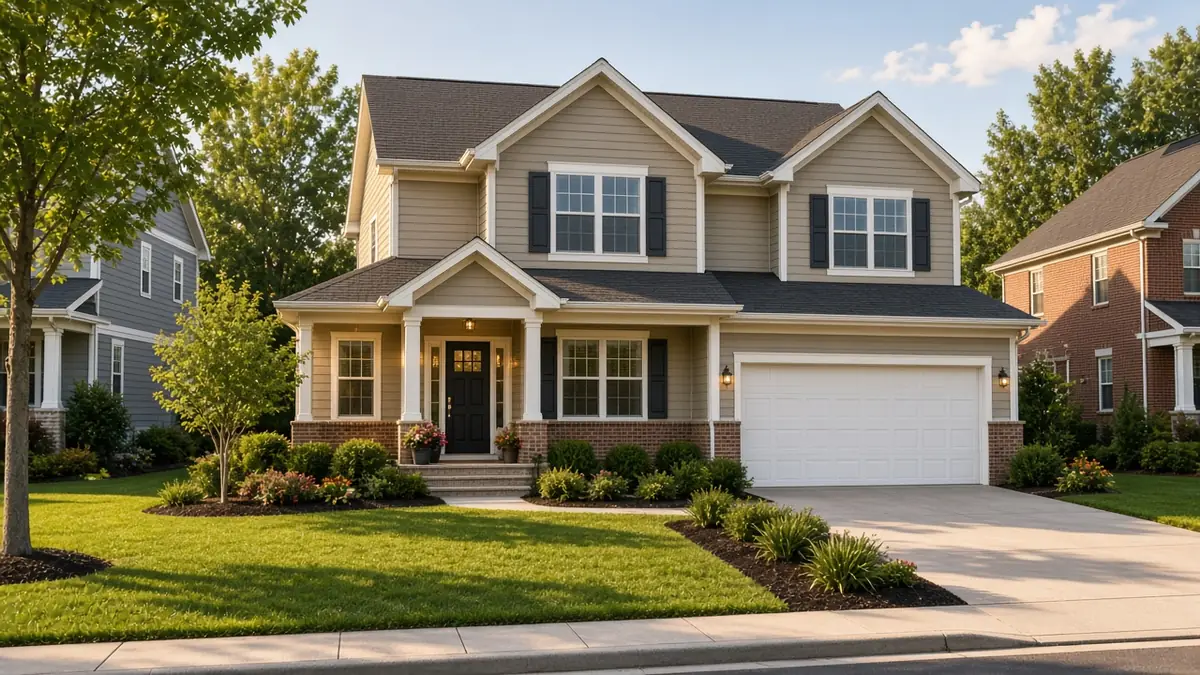
What should a good cash offer conversation leave you knowing?
Five things, in writing or close to it:
- The cash number and the main drivers behind it
- Whether the sale is truly as-is for your situation
- Who pays which closing costs
- Which closing dates are realistic
- That you can walk away without punishment for asking
If any of those are missing, keep asking—or talk to someone else.
How does HomeCashOffer approach a cash offer?
Short answer: We ask about the property, review condition and basic title context, then send a written as-is number you can compare with listing—without locking you into a sale when you request it.
We buy houses directly from homeowners. The path looks like this:
- You share property basics online (Get a Cash Offer Today) or by calling (405) 622-8705
- We evaluate comps, condition, holding costs, and timeline factors
- You receive a written offer to review
- You accept, negotiate, or decline
- If you accept, we close through normal title channels on an agreed date
More process detail: How We Buy Houses and How cash home buyers work.
What determines the cash offer number?
Comparable sales, condition, holding costs, and your timeline, and a buyer should be able to explain each one in plain words. You should hear about:
- Location and recent comparable sales
- Condition and estimated repair scope
- Holding costs and resale risk after purchase
- Your timeline and situation (tenants, vacant status, liens, estate complexity)
Online home-value widgets are not net sheets. They ignore repairs, fees, and time. Use them as conversation starters only.
What does “as-is” actually mean in a cash offer?
It means you don’t make repairs before closing, but the contract still has to say exactly what that covers. “As-is” should answer practical questions:
- Are renovations required before closing? (Usually no with us.)
- What about appliances and remaining personal property?
- What access is needed before closing?
- What happens if a previously unknown issue appears during agreed access?
Disclose known material issues. Surprises slow closings and damage trust. Condition strategy: Sell as-is vs. fixing up.
What closing costs should I expect, and how do I compare net proceeds?
Short answer: Compare money in your pocket, not the headline number. On a direct sale to HomeCashOffer there are no agent commissions; confirm in writing which closing costs you pay and which we cover.
Ask for a simple picture of net proceeds:
- Contract cash price
- Mortgage and lien payoffs
- Agreed closing-cost allocations
- Prorations (taxes, HOA, etc., as applicable)
There are no agent commissions when you sell directly to HomeCashOffer. Still confirm closing-cost handling in writing so nothing is ambiguous at the table.
How common are cash sales in fall 2026?
Common enough that a cash offer is a normal option, not a last resort. In its September 2026 existing-home sales report, NAR said:
- Cash sales were 27% of transactions, unchanged from August and down from 30% in September 2025.
- Median time on market was 33 days, the same as a year earlier.
- The national median price was $417,500, up 1.3% from $412,300, and supply rose to 4.8 months from 4.5 months a year earlier.
Financing got harder this fall. Freddie Mac’s Primary Mortgage Market Survey put the 30-year fixed rate at 7.32% on October 22, 2026, down from 7.40% the week before but well above 6.19% a year earlier. NAR’s chief economist said higher rates mean fewer buyers can qualify and that sellers may need price discounts or other incentives. That’s the backdrop when you compare a cash number with a listing: more inventory and fewer qualified financed buyers can mean longer listings and more concessions, which belong in your net comparison.
How can you check that a cash buyer can actually pay?
Ask for proof of funds and put the deposit with a neutral closing office. A serious buyer won’t mind either request.
- Proof of funds should be recent (a bank, brokerage, or credit-line statement, or a bank letter) and in the name of the person or company signing the contract.
- Earnest money should go to a title company or closing attorney, not to the buyer or a middleman. Look the office up yourself.
- Watch the exits. Read the inspection or “approval” clauses. A contract that lets the buyer walk away for any reason, at any time, without losing the deposit isn’t much of a commitment.
- Ask who is actually buying. If the contract allows assignment to another buyer, ask whether the company intends to close itself or sell the contract to someone else.
How do you protect your sale proceeds from wire fraud?
Confirm every set of wiring instructions by phone with your closing office, using a number you found yourself. Criminals spoof title-company emails and send fake “updated” instructions just before closing. The FBI’s 2025 Internet Crime Report counted $3.05 billion in business email compromise losses from 24,768 complaints, and $275.1 million in real estate fraud losses from 12,368 complaints, up from about $173 million in 2024 (NAR summary).
- Don’t act on instructions that arrive only by email or text.
- Treat last-minute changes to bank details as a red flag.
- If money goes to the wrong place, call your bank immediately and file a complaint at ic3.gov.
Does a cash sale change your taxes?
No. The tax rules are the same whether the buyer pays cash or uses a loan. The closing agent generally reports the sale to the IRS on Form 1099-S, Proceeds from Real Estate Transactions. If it was your main home, IRS Topic 701 explains the exclusion of up to $250,000 of gain ($500,000 on a joint return) if you meet the ownership and use tests, and Publication 523 covers partial exclusions. Ask a tax professional about your own numbers.
How fast can a cash sale close?
Short answer: When title is clear, some closings happen in as little as seven days. Estate, HOA, multi-heir, or lien issues can take longer—pick a date that fits your move, not a promise that ignores title.
When title is clear and all required parties can sign, some closings happen in as little as 7 days. That is optional speed—not a forced march.
Build buffer if you have:
- Multiple heirs or co-owners
- Probate or trust documentation still in progress
- Tenants who need proper notice
- A personal move that needs packing time
Flexible closing is one of the main advantages of selling to a cash buyer versus waiting on a financed retail buyer’s calendar.

How does a cash offer compare with listing?
A cash offer usually trades some top-line price for less prep, fewer showings, and more certainty; a listing can net more if the house shows well and you can wait.
| Expectation | Cash offer path | Listing path |
|---|---|---|
| Prep burden | Usually lower | Often higher |
| Showings | Limited | Ongoing |
| Price discovery | One negotiated number | Market + negotiations |
| Certainty | Higher on buyer financing | Contingencies remain |
| Your job | Evaluate net + timeline | Manage marketing project |
Neither path is universally better. Side-by-side: Cash offer vs. listing with an agent.
Where can you find local guides?
We buy nationwide. If you want local context while you evaluate an offer, start here:
- Edmond, OK
- Dallas, TX
- Houston, TX
- Miami, FL
- Orlando, FL
- Los Angeles, CA
- Chicago, IL
- New York City, NY
- Phoenix, AZ
- Atlanta, GA
- Denver, CO
- Charlotte, NC
- Philadelphia, PA
- Columbus, OH
- Nashville, TN
- Las Vegas, NV
- Seattle, WA
- Detroit, MI
- Newark, NJ
- Boston, MA
- Portland, OR
- Salt Lake City, UT
- Kansas City, MO
- Indianapolis, IN
- Charleston, SC
What should you check before you say yes?
Check that everything important is in writing and that nobody is rushing you.
- Offer is in writing
- Proof of funds matches the buyer named in the contract
- Earnest money is held by a title company or closing attorney
- Buyer entity is identified
- As-is scope is clear
- Closing costs are allocated clearly
- Timeline options are realistic
- You had time to think
- No pressure tactics
If something feels off, pause. A legitimate buyer will still be there tomorrow.
What do sellers commonly get wrong about cash offers?
Mostly that “cash” skips the normal steps. It doesn’t.
“Cash means I get paid tomorrow with no title work.”
Cash removes the buyer’s mortgage contingency. Title and closing still happen.
“If I request an offer, I have to take it.”
No. Offers are information. Decline freely.
“The highest online estimate is what I should net.”
Net depends on repairs, fees, concessions, and time. Compare apples to apples.
“As-is means I can stay silent about known problems.”
Disclose material issues you know about. Clarity protects your timeline.
Related city guides: NYC, Los Angeles, Chicago, Houston & Dallas, Miami & Orlando. Vacant/inherited focus: Sell vacant or inherited house for cash.
If you want help translating an offer into a simple net estimate, ask us to walk through payoffs and closing-cost allocations line by line before you decide. Clarity beats speed when the decision affects your family’s equity.
What’s the next step?
Ready to see what a cash offer looks like for your house? Call (405) 622-8705 or request a cash offer. No obligation—just a clear number and terms you can evaluate against your other options.
Sell your house fast in these markets
Local cash offer pages—or start with a nationwide request.
Frequently asked questions
What should I expect from a cash offer on my house?
Expect a written number, a plain-language explanation of the main drivers, clarity on as-is condition, closing-cost handling, and realistic closing dates. You should feel free to decline without pressure.
Why are cash offers often lower than retail list prices?
Cash as-is buyers typically take on repairs, holding costs, and resale risk. Compare net proceeds after fees, repairs, and time—not a top-line list price fantasy.
What documents or details do I need to request an offer?
Start with address, general condition, occupancy, preferred timeline, and any known liens or special situations. You do not need contractor bids or a cleaned-out house just to request information.
How long do I have to decide on a cash offer?
You should have time to review with family or advisors. Ask how long the offer stands and what could change it. A trustworthy buyer does not manufacture false urgency.
What happens after I accept a cash offer?
You move into closing: title work, agreed walkthrough or access, signing documents, and disbursement of proceeds per the settlement statement on the closing date you chose.
Are there fees when I sell to HomeCashOffer?
There are no agent commissions when you sell directly to HomeCashOffer. Confirm how closing costs are allocated in your written offer.
Is requesting a cash offer binding?
No. Requesting an offer creates no obligation to sell.
How common are cash home sales in 2026?
About one in four. NAR reported that cash sales were 27% of existing-home transactions in September 2026, down from 30% a year earlier, with a 33-day median time on market and a $417,500 national median price (up 1.3%). With Freddie Mac's 30-year fixed rate at 7.32% on October 22, 2026, versus 6.19% a year earlier, fewer financed buyers qualify, which is one reason sellers compare cash offers.
How do I know a cash buyer actually has the money?
Ask for proof of funds before you sign: a recent bank or line-of-credit statement, or a letter from the buyer's bank, in the name of the entity that is signing the contract. Then make sure an earnest-money deposit goes to a title company or closing attorney you can look up yourself, and that the contract does not let the buyer back out for any reason without losing that deposit.
How do I protect my sale proceeds from wire fraud?
Never act on wiring instructions sent only by email. Call your title company or closing attorney at a phone number you find independently and confirm the instructions by voice. The FBI's 2025 Internet Crime Report counted $3.05 billion in business email compromise losses, the scheme behind most fake closing-wire emails, and $275.1 million in real estate fraud losses from 12,368 complaints. If money goes to the wrong account, call your bank right away and file a report at ic3.gov.
Ready to see what a cash offer looks like?
No repairs required. No agent commissions when you sell to us. No obligation to accept.
Request your no-obligation cash offer
Prefer a dedicated form? Visit Get a Cash Offer Today.
Get My Cash Offer
Share your name, phone, and property address. No obligation. We will follow up shortly.