
Selling a Portland House As-Is: Oil Tanks, the Home Energy Score Rule, and What 'As-Is' Really Means in Oregon
Selling an older Portland house that needs major work? How the city's Home Energy Score rule applies (and when it doesn't), what Oregon DEQ requires for old heating oil tanks, the seller disclosure and 5-day buyer revocation, Washington County's transfer tax, and how a cash offer compares with a 25-day listing. Call (405) 622-8705.
Short answer: You can sell a Portland house as-is, but “as-is” only means you won’t make repairs. It doesn’t excuse Oregon’s seller disclosure, and it doesn’t make an old heating oil tank someone else’s problem. If you plan to list publicly, the City of Portland also requires a Home Energy Score before the first ad goes up. A private sale that’s never advertised skips that rule. The decision usually comes down to one question: can you answer the oil tank question cheaply? If yes, listing often wins. If no, a cash buyer who prices the risk in may be cleaner.
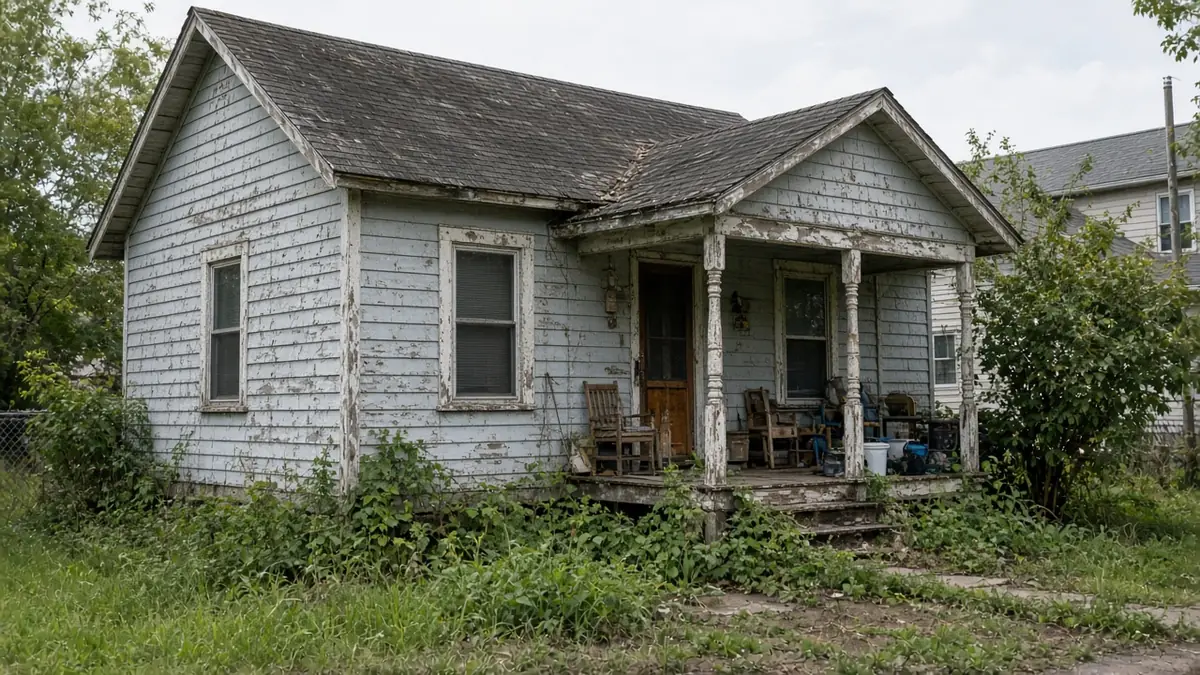
This guide is for one kind of Portland owner in particular: someone holding a 1910s to 1940s bungalow or Old Portland foursquare in a neighborhood like St. Johns, Foster-Powell, Montavilla or Woodstock. The furnace was converted to gas decades ago, there’s a stubby pipe sticking out of the foundation that nobody can explain, and the basement, wiring or roof needs more money than you want to spend.
For the wider Oregon picture, see our Portland cash buyer hub and the Portland, OR city page.
Is that pipe by the foundation an oil tank problem?
Possibly, and in Portland it’s the first thing to figure out. Oregon DEQ describes the giveaways: an oil fill pipe near the ground, usually close to where the furnace sits, and a vent pipe about 1.25 to 1.5 inches across with a small cap, running two to eight feet up the side of the house (Oregon DEQ: buying or selling a home with a heating oil tank).
DEQ’s own price guidance is modest: hiring someone to search for a buried tank typically costs $100 to $200, and having a licensed provider test the soil under a tank costs about $200 to $300. Those are small numbers next to a sale price, which is why the cheap test is worth doing before you decide anything else.
What you’re required to do depends on the tank’s status:
- The house used to be heated with oil. DEQ says you must make sure any abandoned tank is empty, give the buyer documentation that it was emptied (dated pump-out receipts, or oil-recycler receipts if you pumped it yourself), and leave the vent line in place unless the tank is decommissioned.
- You know it leaked. You must notify DEQ within 72 hours of discovery and clean up to DEQ standards. The current owner is responsible even if the leak predates them.
- You don’t know. DEQ recommends checking before you list. You’re not forced to dig, but some buyers will require it.
Emptying a tank isn’t the same as decommissioning it. Decommissioning means cleaning the tank and removing it or filling it with inert material, certified by a licensed provider with soil samples, and registered with DEQ for a fee. DEQ then sends a letter confirming the work. That letter is what many buyers’ lenders ask for, and DEQ won’t accept site-assessment data older than 90 days to certify a decommissioning.
Why do retail buyers walk away from untested tanks?
Because of one sentence in DEQ’s guidance: a buyer who purchases a property knowing a tank is present and with no work done to see whether it leaked also becomes responsible for leaks discovered later. A family buying with a conventional loan doesn’t want that, and their lender usually doesn’t either.
So an unexplained tank tends to push a listing in one of three directions: you pay for testing and maybe decommissioning before closing, you give a credit, or the buyer walks during the inspection period and the house goes back on the market with a “back on market” flag. A cash buyer who’s comfortable with tank risk prices it into the offer instead. Whether that’s a good trade depends on what the test would have shown, which is why we tell sellers to get the cheap test first if they have time.
Do I need a Home Energy Score if I sell as-is?
Only if you advertise the house publicly. Portland requires covered homes to have a Home Energy Score and report before they’re listed or advertised in any manner, including the RMLS, online listings, posters, yard signs and print (Portland.gov: Home Energy Score for sellers). The score has to appear in the listing, and printed copies have to be visible to buyers who tour the house.
The city is explicit about the other side: if you sell privately between two parties and the home is never publicly advertised, the requirement doesn’t apply. City Code 17.108.050 also exempts sales by foreclosure, trustee’s sale, deed in lieu, and pre-foreclosure short sales where the lender agrees to accept less than what’s owed.
For a drafty 1920s house with original single-pane windows and little attic insulation, the score itself can be unflattering. It’s public, too: completed reports are posted on the Green Building Registry, searchable by address. That doesn’t stop a sale, but it gives every buyer one more line item to negotiate over.
What does “as-is” mean under Oregon disclosure law?
It means you’re not fixing things. It doesn’t mean you stop talking about them. ORS 105.464 sets the form of Oregon’s seller’s property disclosure statement, which asks, among other things, whether you know about underground storage tanks or contaminated soil or water. DEQ points sellers to the same statute.
The part that matters for timing is ORS 105.475. Once the buyer receives your completed disclosure, they generally have five business days to revoke their offer with a signed written statement disapproving it, unless they waived that right. If a seller fails to deliver the disclosure, the buyer’s right to revoke can run all the way to closing. Answer the form honestly and early, and an as-is sale goes much more smoothly.
Two more items show up on older Portland houses whatever the buyer type:
- Lead-based paint. Homes built before 1978 come with a federal lead disclosure and a pamphlet for the buyer (EPA: real estate disclosure). Almost every bungalow in the neighborhoods above qualifies.
- Known defects. If a contractor already told you the knob-and-tube wiring needs replacing or the foundation has settled, that’s a “known” condition. Disclose it rather than hoping the buyer’s inspector misses it.
Which side of the county line is your house on?
It matters for closing costs. Oregon voters passed Measure 79 in 2012, which bans new real estate transfer taxes but grandfathered taxes already in effect. Only one survived: Washington County’s transfer tax of $1 per $1,000 of the sale price (Washington County transfer tax). A Multnomah County sale inside Portland doesn’t pay it.
Plenty of homes with a “Portland” mailing address are in Washington County, especially toward Beaverton, Hillsboro and Tigard. On a $500,000 house that’s $500, usually split or allocated by contract. Know which one you are before comparing net offers. If you’re on the Washington County side, see our Beaverton and Hillsboro pages.
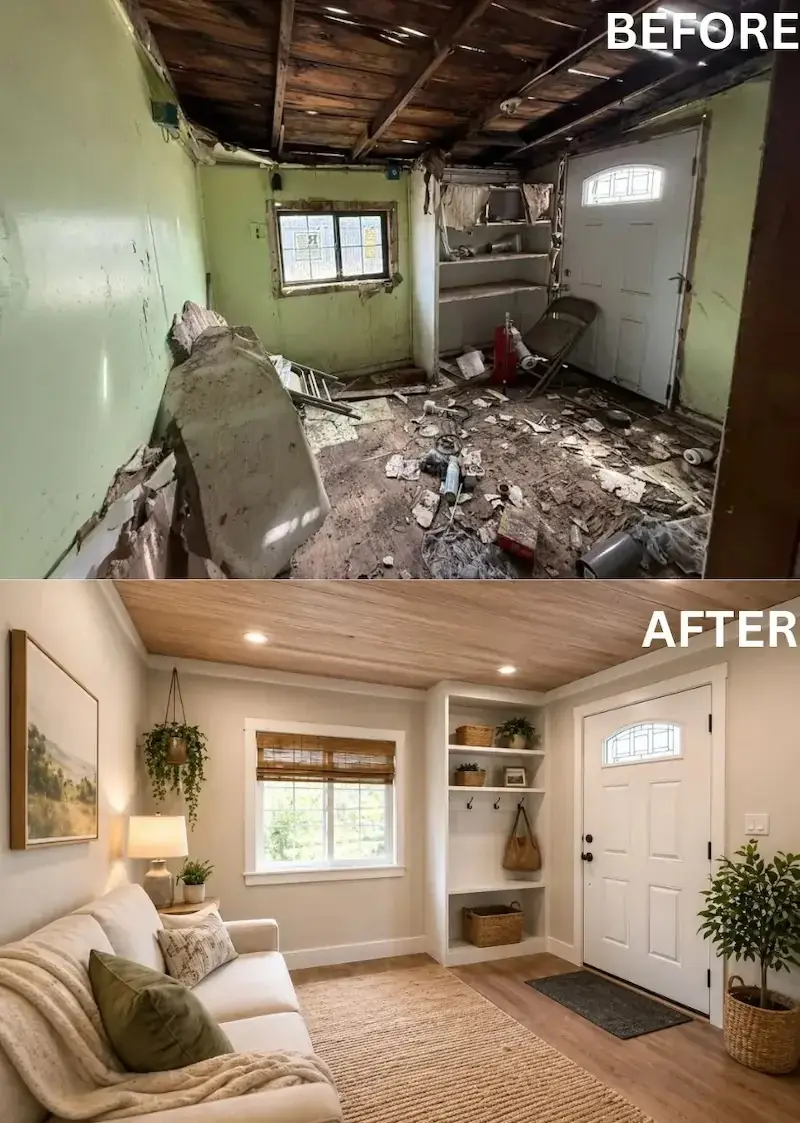
What is the Portland market telling as-is sellers this fall?
That clean houses move fast and project houses are a different market. Over the three months ending September 2026, Redfin reported a median Portland sale price of $518,253, down 2.2% year over year, a median of 25 days on market (down from 27), a 100.0% sale-to-list ratio, and price drops on 43.4% of homes (Redfin Portland housing market).
Read those numbers carefully. A 100% sale-to-list ratio alongside more than four in ten homes taking a price cut tells you the market is splitting: updated, insurable houses sell at list, while houses with problems sit and get reduced. Financing doesn’t help. Freddie Mac’s survey put the average 30-year fixed rate at 7.32% on October 22, 2026 (Freddie Mac PMMS), so buyers stretching to afford a $500,000 house have little cash left for a new sewer line or a full rewire.
Season is the other factor. Portland’s rainy months start in fall, and that’s when a failing roof, a damp basement or a clogged perimeter drain announces itself during showings.
From our deals
The as-is houses that are hardest for owners to sell tend to have the same pattern: two or three medium problems instead of one big one. An old tank nobody tested, a roof with a few years left, a basement that seeps in winter. Each one alone is negotiable with a retail buyer. Together, they make inspectors write long reports and lenders ask for repairs before funding. In those cases the sellers who were happiest with a cash sale were the ones who had already priced the fixes. They knew what a retail sale would net after credits, so they could judge our number on the merits.
When is a cash sale the wrong move for a Portland fixer?
When the risk is cheap to remove. Don’t sell for cash before trying the market if:
- A soil test would likely clear the tank. DEQ puts that test at about $200 to $300. A clean result plus pump-out receipts removes most buyer fear.
- The problems are cosmetic. Dated kitchens, worn floors and old paint don’t scare retail buyers in a 25-day market. They just lower the price a little.
- You can carry the house a few more weeks. If taxes, insurance and utilities aren’t a strain, a listing gives you more bidders.
- There’s a family member who wants it. A private sale to a relative skips the Home Energy Score rule too, and may beat any investor.
A cash offer fits better when the tank is likely to have leaked, when several systems need replacing at once, when you live out of state and can’t manage contractors, or when you simply don’t want to list a house that will show badly. Compare the net either way. Our as-is vs. fixing up guide walks through that math.
How would a HomeCashOffer as-is sale work in Portland?
We buy Portland-area houses in their current condition, including homes with oil tanks, failed systems, or tenants.
- Tell us the address, what you know about the tank and the systems, and any reports you already have.
- We look at the house in person or by video walkthrough.
- We send a written offer. Asking for one commits you to nothing.
- An Oregon title and escrow company handles the disclosure paperwork, the payoff, and any Washington County transfer tax.
- You pick the closing date and leave behind whatever you don’t want.
Because we don’t publicly advertise your house, the Home Energy Score rule usually doesn’t come into play. Your disclosure duties still do, and we’ll ask you to complete the state form.
Call (405) 622-8705 or request a cash offer online. Comparing markets? See how as-is sales work with Denver’s older housing stock or Chicago’s two-flats.
HomeCashOffer, 3000 W Memorial Rd, Ste 123 Unit 308, Oklahoma City, OK 73120. (405) 622-8705. We’re a home buyer, not a law firm or an environmental consultant.
Related reading: Sell my house fast in Portland · Portland, OR city page · Gresham, OR · Salem, OR · What to expect from a cash offer · Oregon DEQ licensed heating oil tank service providers
Sell your house fast in these markets
Local cash offer pages—or start with a nationwide request.
Frequently asked questions
Do I need a Home Energy Score to sell my Portland house as-is?
Only if you publicly advertise it. The City of Portland says a Home Energy Score and report are needed before a covered home is listed or advertised in any manner, including the RMLS, online listings, yard signs or print. If you sell privately between two parties and the home is never publicly advertised, the requirement doesn't apply. City Code 17.108.050 also exempts foreclosures, trustee's sales, deeds in lieu and qualifying short sales.
My Portland house used to have oil heat. What does Oregon require before I sell?
According to Oregon DEQ, if your home used to be heated with oil you must make sure any abandoned tank is empty, give the buyer documentation that it was emptied (dated pump-out or recycling receipts), and leave the vent line in place unless the tank is decommissioned. Full decommissioning is voluntary once the tank is empty, but some buyers and lenders ask for a DEQ-registered decommissioning letter.
What happens if the oil tank turns out to have leaked?
DEQ says you must report a known leak within 72 hours (1-800-742-7878) and clean it up to DEQ standards. The current owner is responsible for cleanup even if the leak happened before they bought the house. A buyer who knowingly buys a home with an unchecked tank can also become responsible for leaks found later, which is why many retail buyers won't.
Can I skip the Oregon seller's property disclosure if I sell as-is?
Generally no. ORS 105.464 sets out the seller's property disclosure statement, which asks about things like underground storage tanks and known contamination. Selling 'as-is' describes repairs, not disclosure. Under ORS 105.475 a buyer usually has five business days after receiving the disclosure to revoke the offer in writing, unless the buyer waived that right.
Is there a real estate transfer tax when I sell a house in Portland?
Not in Multnomah County. Oregon's Measure 79 (2012) banned new real estate transfer taxes but grandfathered one that already existed: Washington County's tax of $1 per $1,000 of the sale price. If your 'Portland' house is actually in Beaverton, Hillsboro, Tigard or another Washington County address, expect that line on your settlement statement.
How fast are Portland houses selling in fall 2026?
Redfin reported a median of 25 days on market for Portland over the three months ending September 2026, a median sale price of $518,253 (down 2.2% year over year), and a 100.0% sale-to-list ratio. That's for homes buyers can finance and insure. A house with an unknown oil tank or failed systems usually doesn't follow that curve.
When does selling a Portland fixer for cash not make sense?
When the problems are cosmetic or cheap to document. If a $200 to $300 soil test clears the tank, the roof and wiring are serviceable, and you can carry the house a few more weeks, listing in a 25-day market will often net more than any cash offer, even after the Home Energy Score and commissions.
Ready to see what a cash offer looks like?
No repairs required. No agent commissions when you sell to us. No obligation to accept.
Request your no-obligation cash offer
Prefer a dedicated form? Visit Get a Cash Offer Today.
Get My Cash Offer
Share your name, phone, and property address. No obligation. We will follow up shortly.